Titanium Eyeglass Frames: Why Professionals Are Switching
By Dr. Qaria, , updated
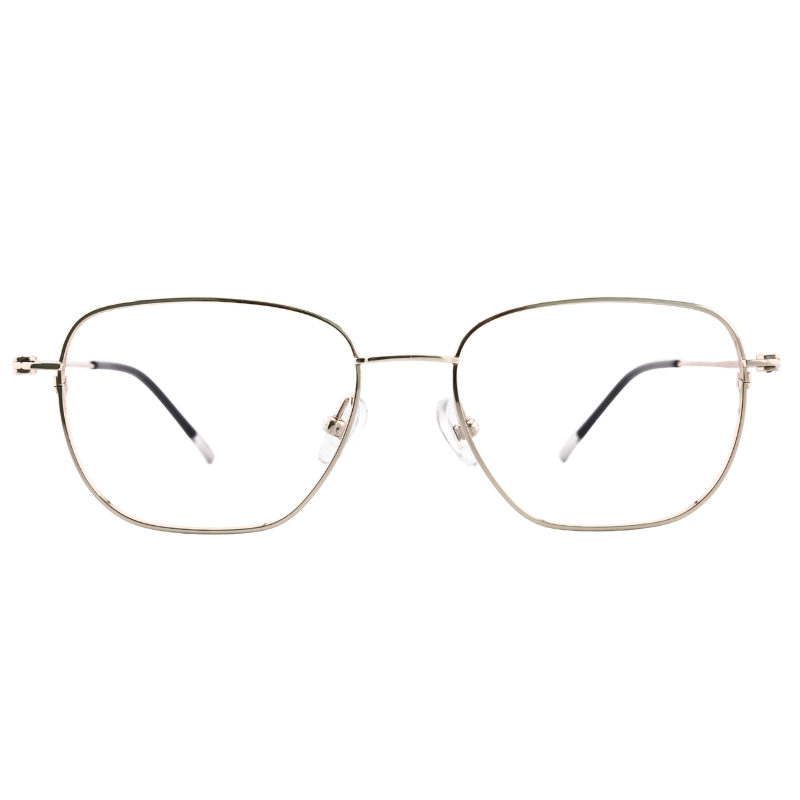
Walk into any executive boardroom, business class cabin, or technology conference and you notice a pattern: the professionals who wear glasses all day consistently favour titanium frames. This is not coincidence. Over the past decade, titanium has become the benchmark material for serious professional eyewear, and for reasons that go far beyond how the frames look.
What Makes Titanium Different From Other Frame Materials
The eyeglass frame market offers dozens of materials, acetate, steel alloy, TR-90, nylon, and various composites. Each has a use case. But for professionals who wear their glasses from 7am to midnight, the material choice has measurable consequences for health, comfort, and total cost over time.
Grade-A pure titanium offers a combination of properties no other material matches at scale:
- Weight: Pure titanium frames commonly fall in the 8 to 15 gram range, typically lighter than equivalent steel alloy frames. The figure that matters is the one published for the specific model you are buying. At a 14-hour working day, that difference is not trivial.
- Strength-to-weight ratio: Titanium is stronger than steel by weight, enabling thinner temples and fronts without sacrificing structural integrity. A titanium frame that survives being sat on would permanently deform a comparable acetate frame.
- Hypoallergenic properties: Pure titanium is biologically inert, it contains no nickel, cobalt, or chromium. Redness, skin reactions, and the dull headaches associated with metal sensitivity disappear entirely with a genuine Grade-A titanium frame.
- Corrosion resistance: Titanium does not oxidise or corrode in contact with sweat, skin oils, or humidity. Frames retain their structure and finish for years longer than steel alternatives.
- Flexibility and memory: Quality titanium temples flex under pressure and return to their original shape. This matters across hundreds of removal and storage cycles per year.
Titanium vs Acetate: The Professional’s Comparison
Acetate frames are made from a plant-based plastic and remain popular for their colour variety and bold aesthetic presence. For professionals who wear their glasses for shorter periods and prioritise visual impact, acetate is a reasonable choice.
However, acetate frames commonly fall in the 20 to 35 gram range, two to three times heavier than titanium. Over the course of a long working day, this weight difference becomes a genuine comfort issue. Acetate also requires more frequent nose-pad adjustments as the material loses dimensional stability over time.
For professionals who wear glasses 10 or more hours per day, titanium consistently outperforms acetate on comfort, longevity, and skin compatibility.
The Grade Distinction: Not All Titanium Is Equal
A critical distinction that many eyewear brands obscure: the difference between pure titanium (Grade 1 to 4) and titanium alloy frames.
Titanium alloys, often labelled simply as “titanium”, are mixed with aluminium, vanadium, or other metals to reduce cost. These alloys can retain trace nickel content and may still cause reactions in sensitive wearers. They also offer reduced flexibility compared to pure Grade-A titanium.
Grade-A pure titanium frames contain no alloy additives and provide the full range of hypoallergenic and performance benefits. When evaluating any titanium frame, confirm whether it is pure titanium or a titanium alloy, and ask what grade.
The OpteLux Titanium Collection
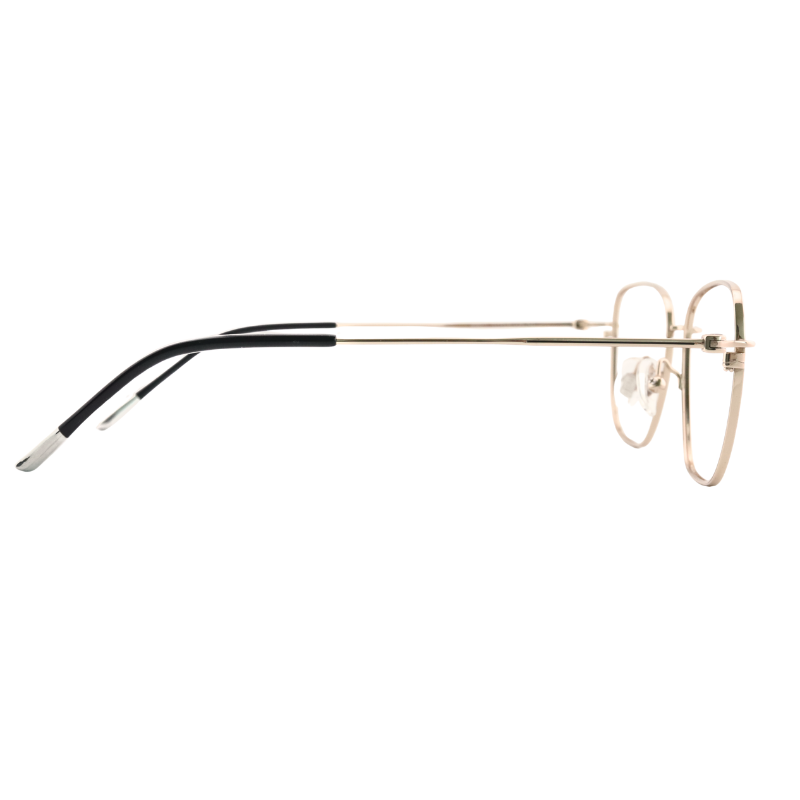
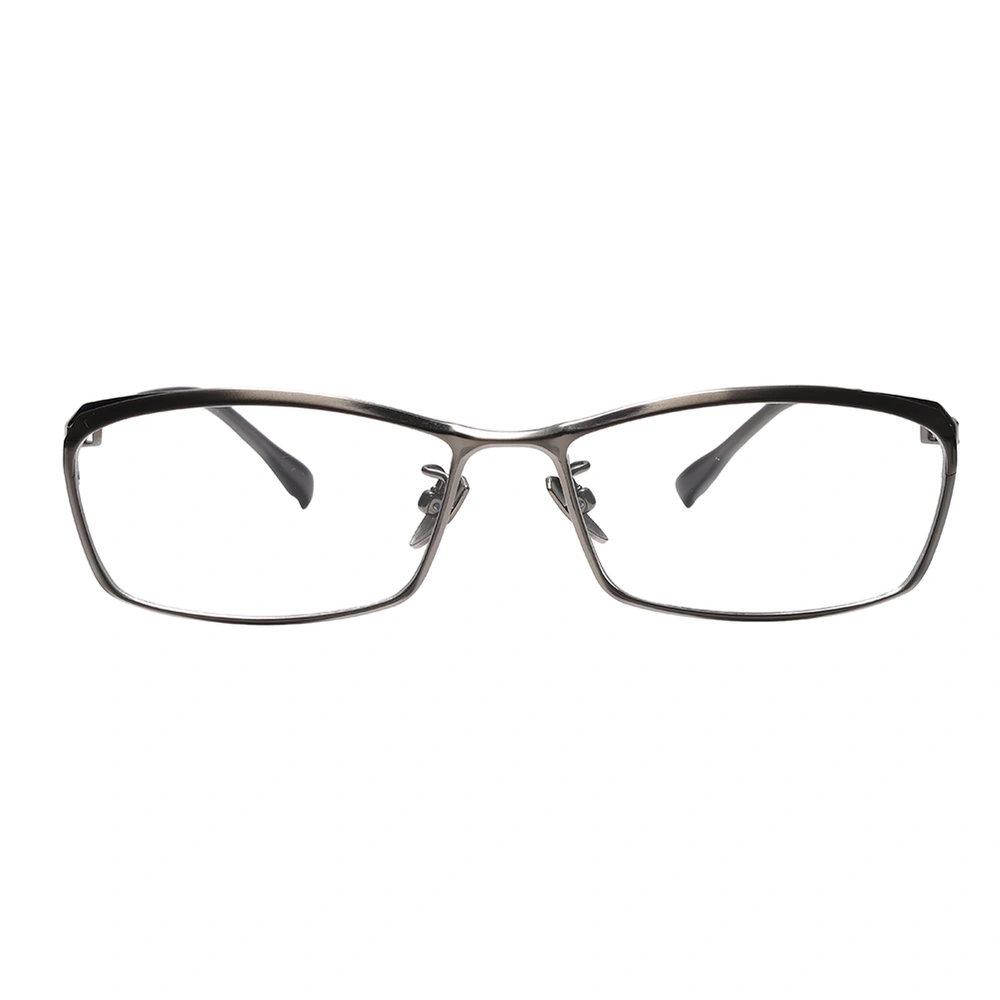
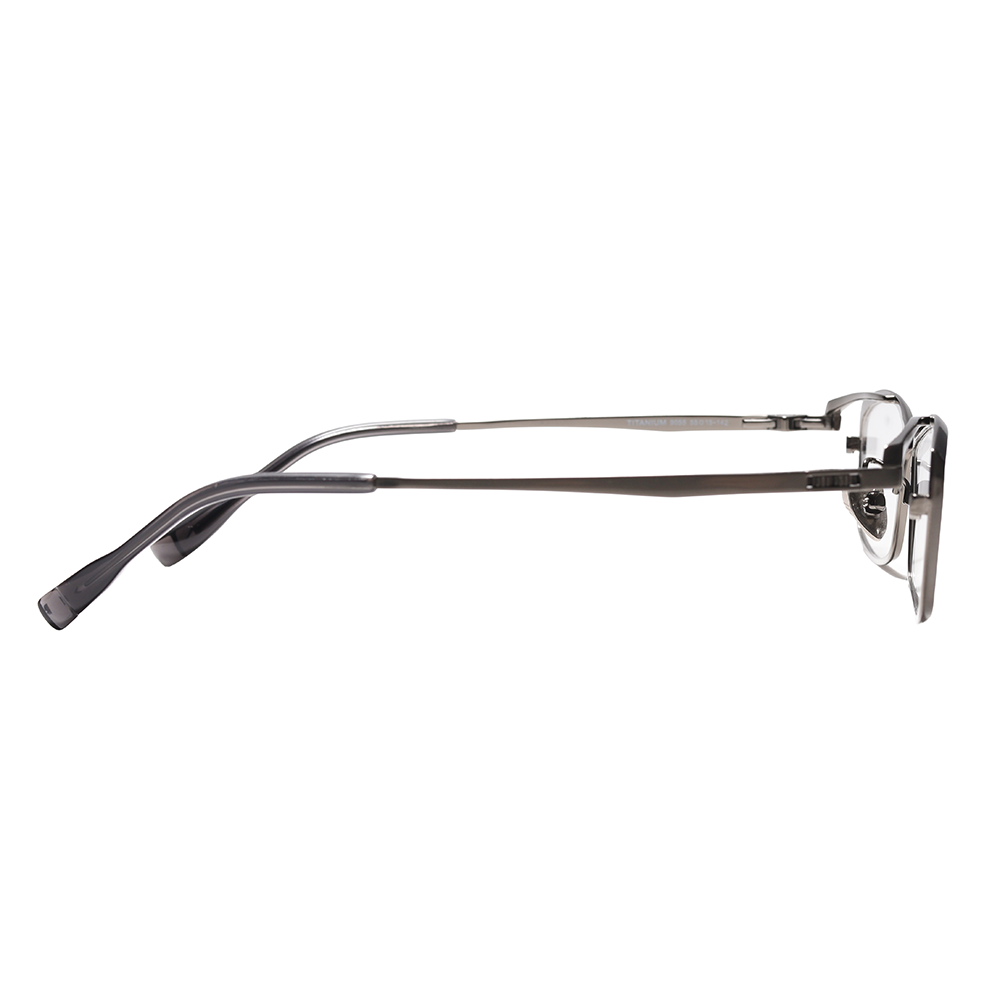
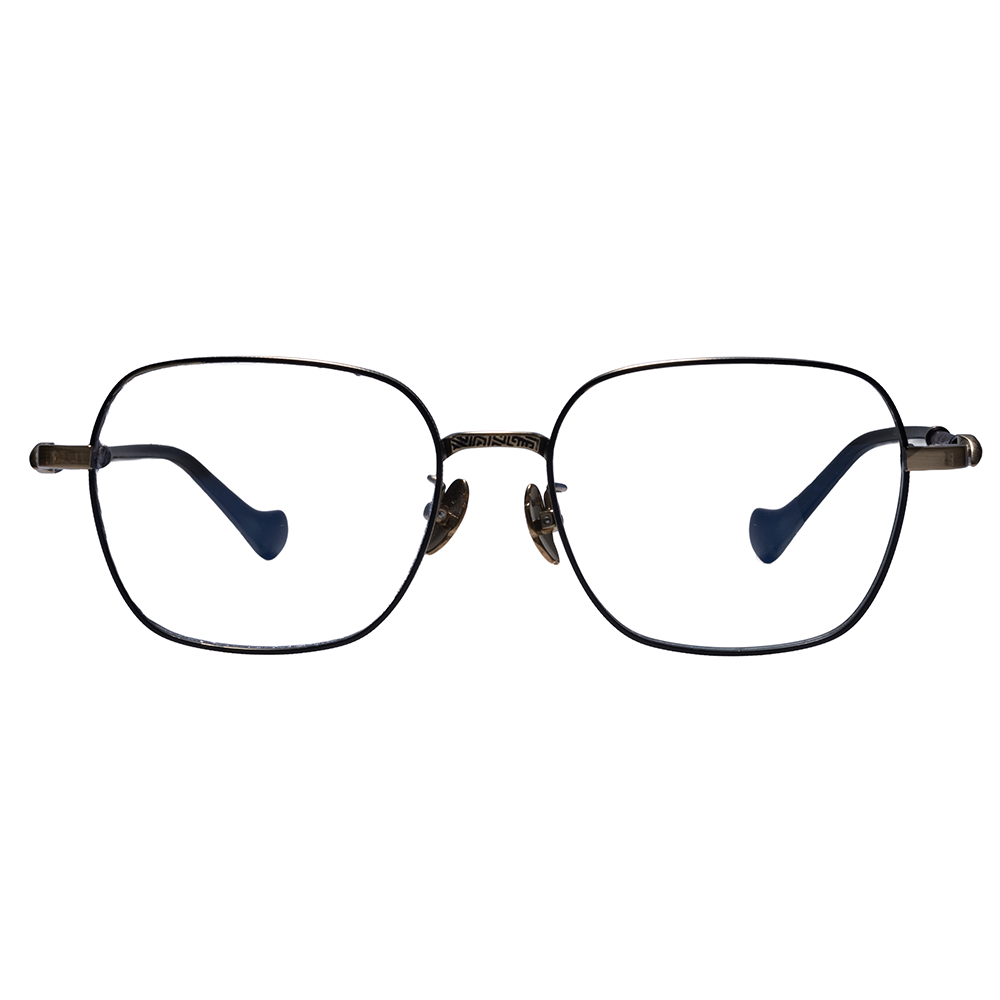
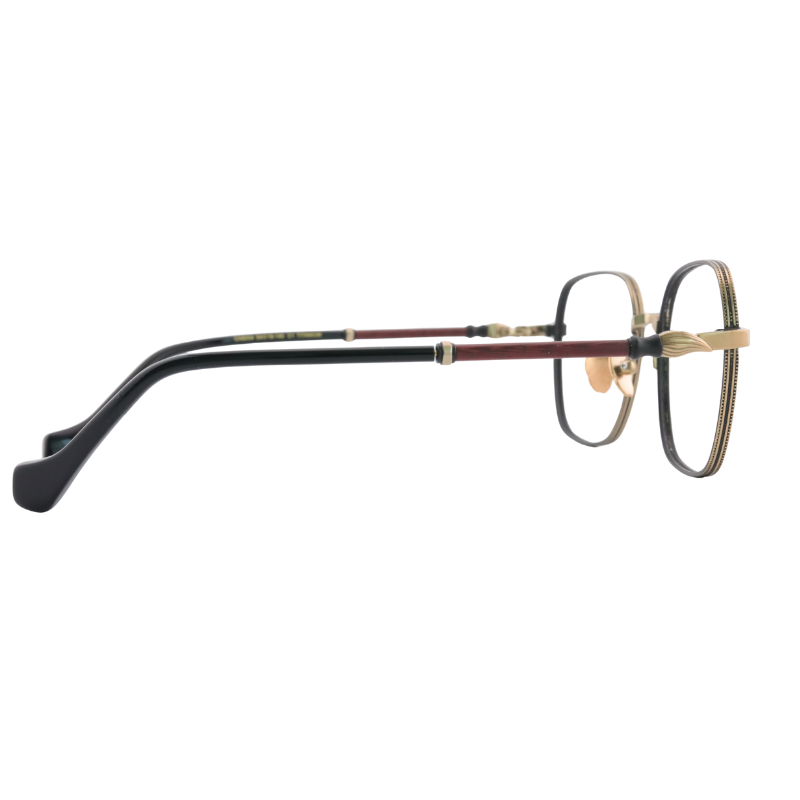
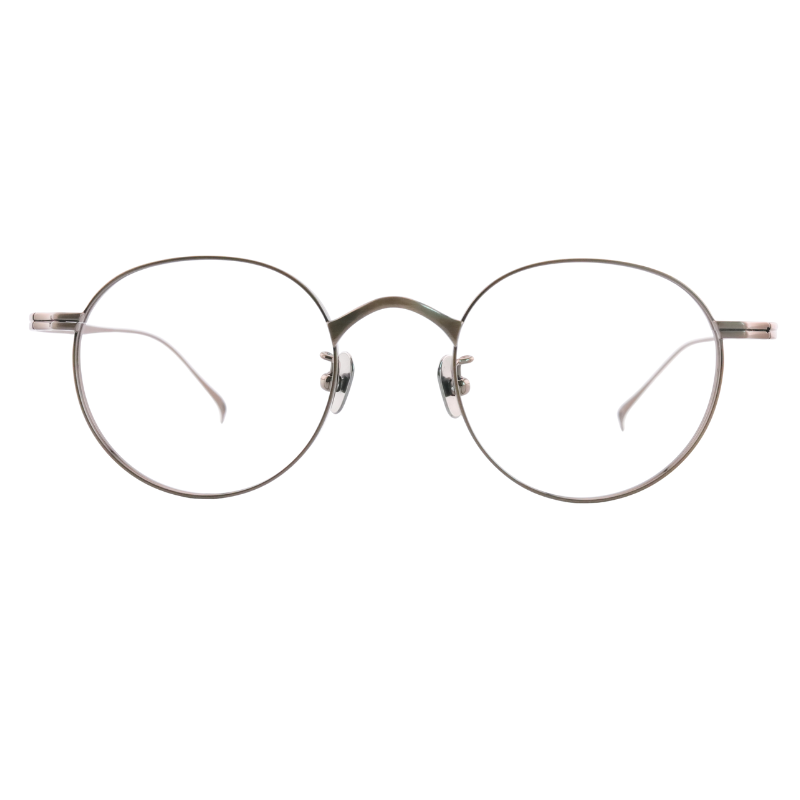
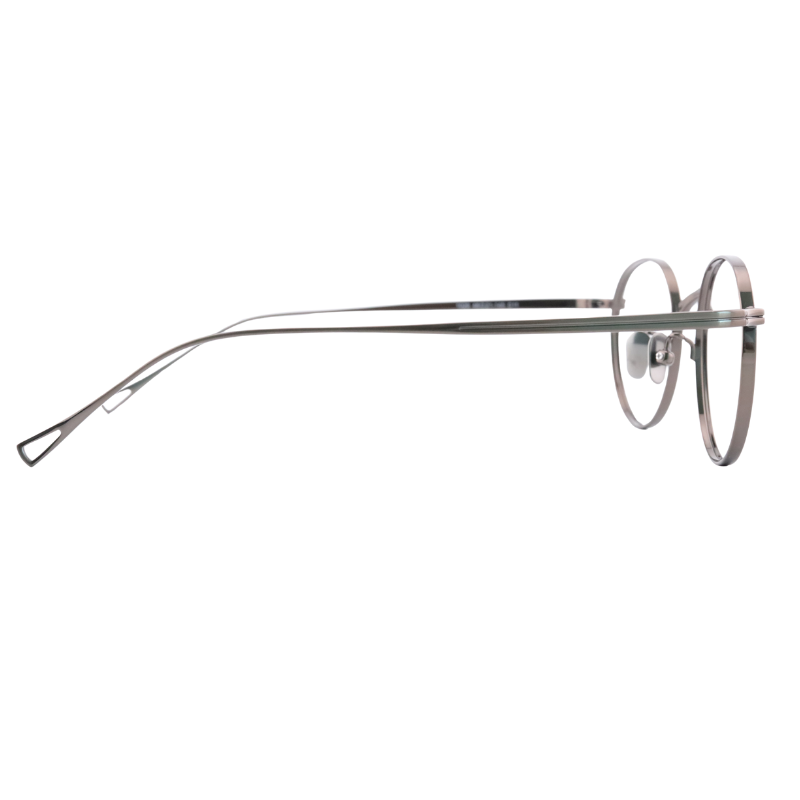
Most OpteLux eyeglass frames are 100% Grade-A titanium, the same material used in aerospace engineering and medical implants. This means no nickel in the frame and a frame weight so low it stops registering as something you are wearing.
The collection spans square, semi-rimless, round, Boston, and hexagonal profiles, all engineered for professional environments. Clip-on sunglasses are available for easy outdoor transitions without a second pair. Custom options include silver and gold accents, gemstone finishes, and personalised engravings.
Lenses are designed in Japan and France using high-index optical engineering, with a choice of Standard, Business and Premium coatings and an optional blue-light filter that filters part of the blue light from screens. For precision fit, the VisionCraft Center uses AI-powered facial measurement to calibrate frame dimensions and optical alignment for your specific face, eliminating the trial-and-error of standard fitting.
How to Choose the Right Titanium Frame
- Confirm the specification: Ask whether frames are pure Grade-A titanium, not titanium alloy or titanium-plated steel.
- Match frame dimensions to your face: Temporal width, bridge fit, and lens height all determine whether a frame sits correctly. Use a digital PD measurement tool if available.
- Choose the right lens type: a blue-light filter for screen-heavy work; photochromic for mixed environments; progressive for those who need near and distance correction in one lens.
- Factor in total cost of ownership: A well-maintained Grade-A titanium frame with quality lenses will outlast three or four pairs of budget alternatives.
Why Professionals Do Not Switch Back
Professionals who move to titanium frames rarely return to their previous glasses. The reason is simple: they had not realised how much their frames were affecting them. The absence of pressure points, the elimination of skin reactions, and the sheer lightness of a properly fitted titanium frame changes the baseline experience of wearing glasses every working day.
Explore the OpteLux titanium eyeglass collection at optelux.com, with frame prices on each product page. You get 25% off your first order.
Related reading
Questions and answers
How much do titanium glasses weigh?
Pure titanium frames commonly weigh 8 to 15 grams. The lightest OpteLux frame weighed, the ONC8803, is 7.83 g, frame only.
Is titanium better than acetate for glasses?
For long daily wear, usually. Acetate frames are commonly 20 to 35 grams and can lose their fit over time, but acetate offers more colour.
What is the difference between pure titanium and titanium alloy frames?
Alloys are mixed with other metals to reduce cost and can contain traces of nickel. Pure titanium has no alloy additives.
General guidance, not a replacement for an eye examination by a qualified specialist. About the author.