Are Titanium Glasses Worth It? Cost, Comfort, Downsides
By Dr. Qaria,
Yes, if you wear glasses most of the day and care about how they feel at hour ten. Titanium costs more than basic metal or plastic, but at our prices the frame is usually the smaller part of what a pair costs. It is less clearly worth it for a pair you use now and then, or if you want a thick, bold look. This guide sets out what you pay for, what you give up and how to decide.
What do you actually get from titanium?
Four things separate a good titanium frame from a basic one.
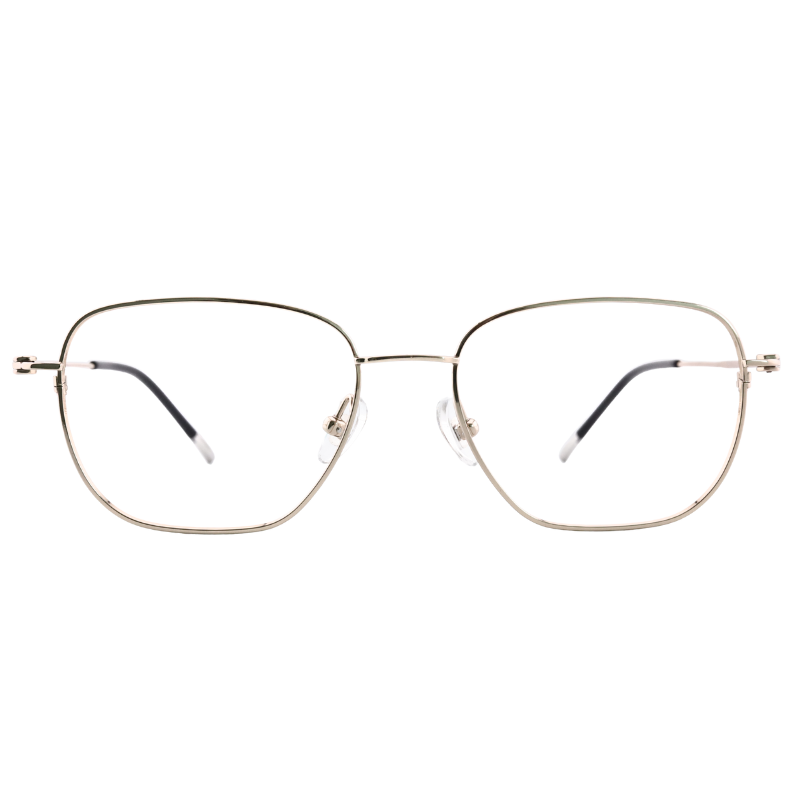
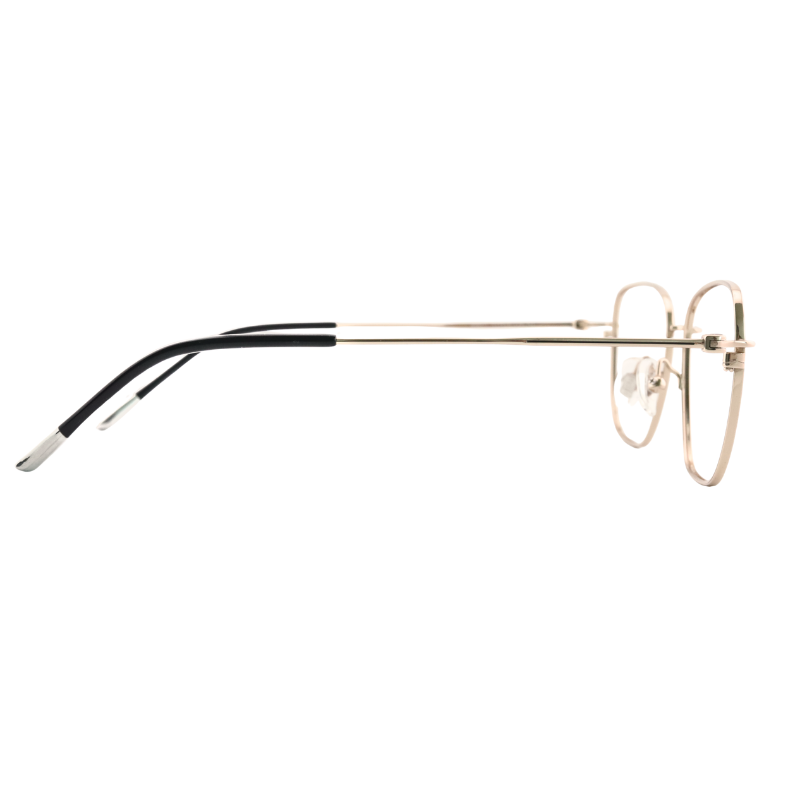
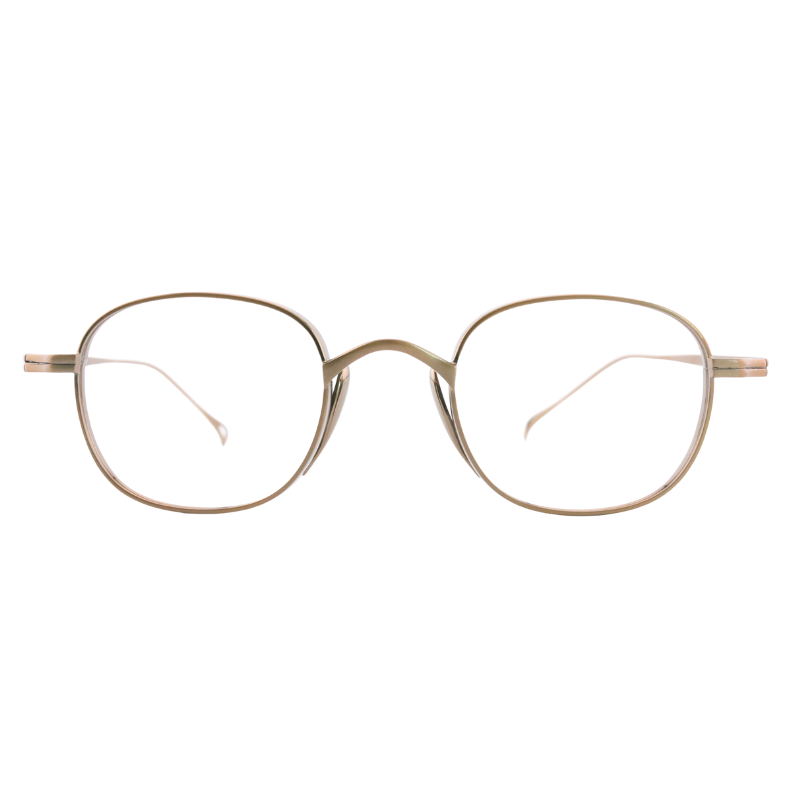
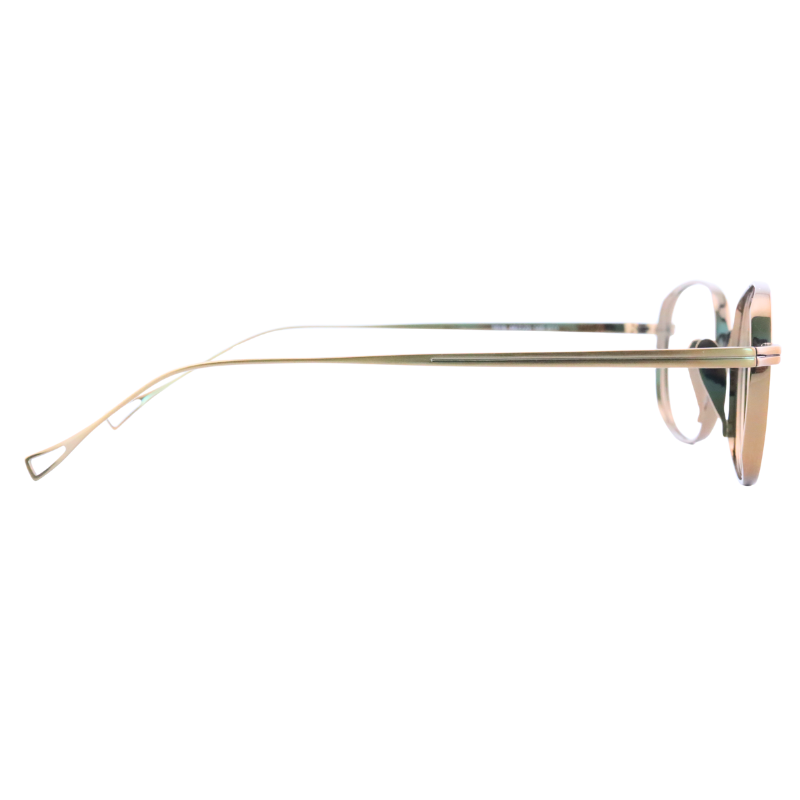
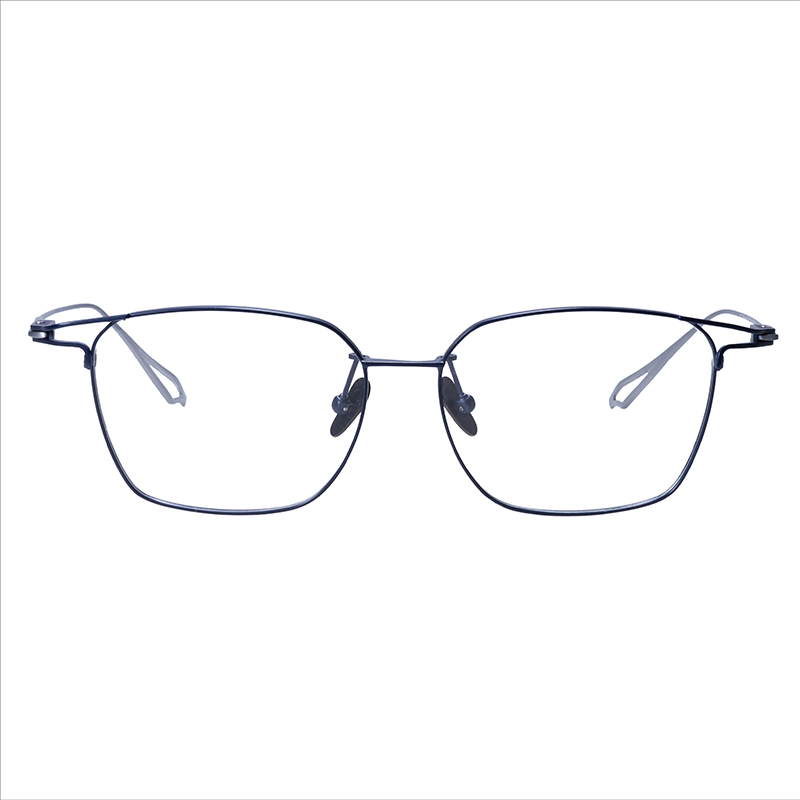
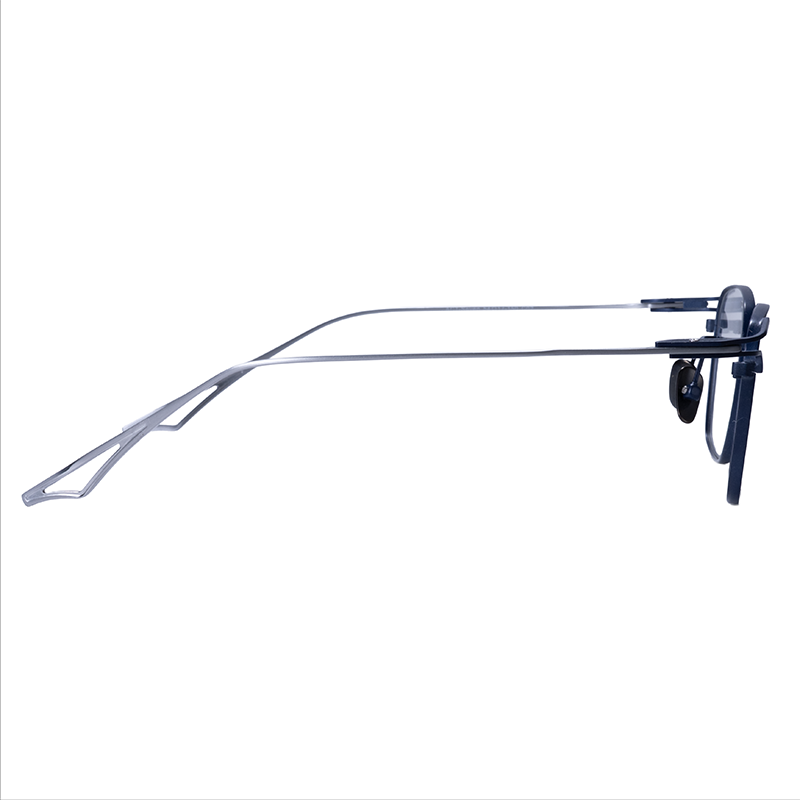
- Low weight on the nose. Titanium is over 40 percent less dense than steel, so a metal frame can be strong and still light. We weighed our ONC8803 at 7.83 g and our ONC119 at 8.69 g, frame only. Every labelled OpteLux frame weighed so far is under 15 g. Our guide to how much titanium glasses weigh has the full list.
- Flexibility. Titanium springs back better than many metals, so a frame is more likely to keep its shape after being pushed into a bag or taken off with one hand.
- Corrosion resistance. Sweat and skin oils are hard on frames worn every day. Titanium resists corrosion, which matters at the temples and the bridge.
- A thin profile. Metal rims can be much thinner than plastic ones. This is the real reason titanium frames feel light: titanium is denser than acetate as a material, but a titanium frame uses far less of it.
Most OpteLux eyeglass frames are 100% Grade-A titanium, which is also hypoallergenic. If you know you react to a particular metal, ask what the whole frame contains, including screws and nose pads.
What are the disadvantages of titanium glasses?
Titanium is not the right answer for everyone. These are the honest trade-offs.
- Price. The material costs more and is harder to work with than basic metals or plastic, so frames usually cost more.
- Repairs are harder. A broken titanium joint needs special welding equipment, and many local shops do not have it. A snapped frame may mean a replacement rather than a quick repair.
- Adjustment takes more care. The springiness that helps a frame keep its shape also makes it harder to bend by hand. Let an optician do it, and do not force it at home.
- Fewer bold looks. If you want a thick, colourful frame that makes a statement, acetate gives you more choice. Our comparison of titanium, acetate and stainless steel frames goes through this in detail.
- Thin rims can show thick lenses. With a strong prescription, a slim metal rim hides less of the lens edge than a thick plastic one. A higher lens index and a smaller lens help. Our guide to lens index explains the bands.
- The word can be vague. In the wider market, "titanium" may describe a pure metal, an alloy or only part of a frame. Read the material line on the listing, and ask if it is not clear.
How much does a titanium pair really cost?
Look at the complete pair, not the frame price alone. Here is one worked example with OpteLux prices at the time of writing.
| Part of the pair | Choice | Price |
|---|---|---|
| Frame | ONC8803, titanium | $66 |
| Prescription lenses | Thickness 1.50 to 1.52 | +$110 |
| Coating | Standard | +$180 |
| Total | Before delivery and the 25% first-order offer | $356 |
Two things stand out. First, the lenses and coating cost far more than the frame in this example, so the frame material is a small share of the decision. Second, the cost spreads out. If you wear that pair every day for two years, $356 comes to about 49 cents a day. A stronger prescription or a higher coating level will change the sum, and you can see your own total in Design your pair before you buy anything.
When is titanium worth it?
The answer depends more on how you use your glasses than on the material itself. Titanium tends to earn its price in these situations.
- You wear glasses for most of your waking day. A few grams matter more over ten hours than over ten minutes.
- Your glasses slide or leave marks. A lighter frame puts less load on the nose pads, although fit and bridge width matter just as much.
- You travel or commute a lot. Flexibility and corrosion resistance help a pair that lives in bags and pockets.
- You want a quiet, professional look. Thin metal stays out of the way on video calls and in meetings.
- You plan to keep the pair for years. Spending more on a frame makes more sense when you will wear it through more than one set of lenses.
When is titanium probably not worth it?
- A spare pair or occasional reading glasses. If they spend most of their time in a drawer, weight and durability matter less.
- You love thick, bold frames. Choose the look you will actually wear. A light frame you dislike is no bargain.
- Your budget only just covers the lenses. Good lenses in a basic frame that fits are better than weak choices in an expensive one.
- Children's glasses. Flexible silicone is usually the more practical choice for a young child who is hard on frames.
Fit matters more than the material
A titanium frame in the wrong size will still slide and pinch. Before you pay for the material, check three things.
- Your PD. Compare it with the "Fits a PD of" range on the product page. The number on your sight test or from your optician is the reference. You can also measure it at home or use the free face and PD measurement, which gives an estimate in your own browser.
- The bridge and temples. Compare the figures with a pair that already fits you. Our guide to glasses size numbers explains what they mean.
- How it looks on you. If the product page offers a camera try-on, use it. It shows shape and rough proportion, and the size is an estimate.
Where to start with OpteLux
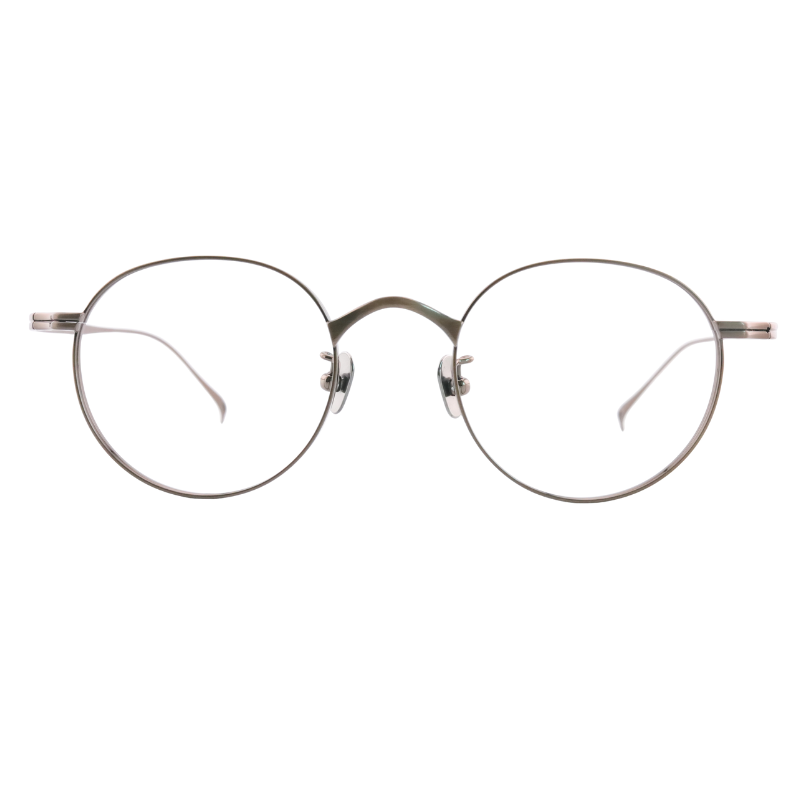
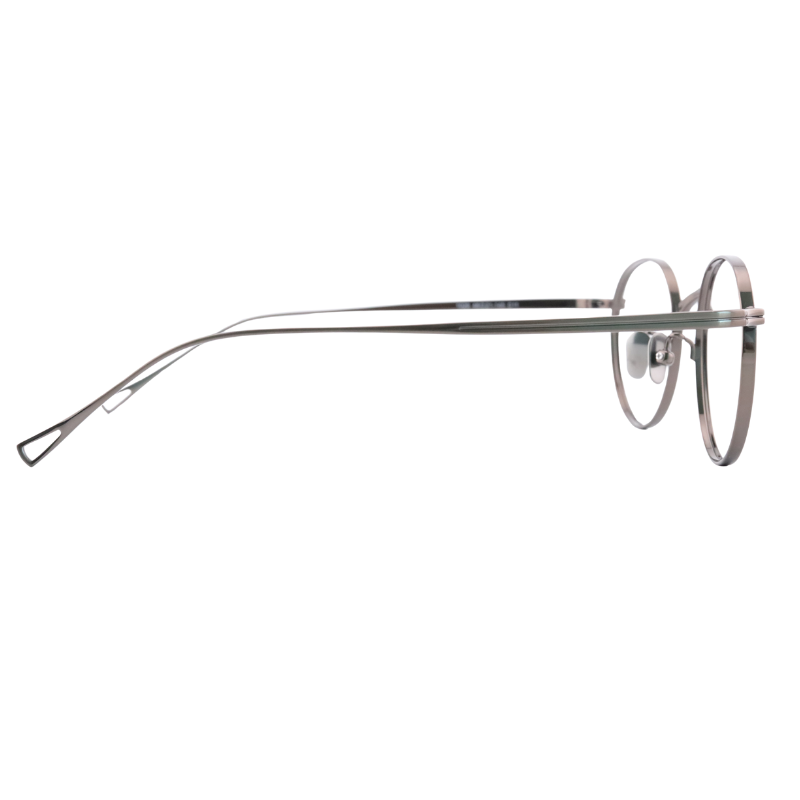
If low weight is the main reason you are looking at titanium, start with the frames we have weighed: the square ONC8803, the round ONC129 at 8.36 g, frame only, and the oval ONC119. If you want more presence at the front, the ONC7C2 weighs 12.46 g, frame only. If you are not sure which shape suits you, the AI frame suggestion picks frames by PD fit and face shape, and our guide to glasses for your face shape explains the reasoning.
Our lenses are designed in Japan and France and made in Asia and France. Frames have 30-day returns; see the return policy for lenses. New customers get 25% off the first order. To look after a pair once you have it, read our guide to eyewear care.
The short version
Titanium is worth paying for when glasses are part of your whole working day. You get less weight, more flexibility and better resistance to corrosion, and you accept a higher price, harder repairs and fewer bold looks. If you wear glasses only now and then, spend the money on good lenses instead. Either way, check the fit first.
Questions and answers
What are the disadvantages of titanium glasses?
They usually cost more, a broken joint needs special welding equipment, they are harder to adjust by hand, and they offer fewer thick, bold looks than acetate. A slim rim can also show more of a strong lens edge.
Are titanium glasses lighter than acetate?
Usually, yes, although titanium is the denser material. Metal rims can be far thinner, so the finished frame uses much less material. We weighed our ONC8803 at 7.83 g, frame only.
How much does a titanium pair cost in total?
At the time of writing, our ONC8803 frame at $66 with 1.50 to 1.52 prescription lenses and Standard coating comes to $356 before delivery and the 25% first-order offer. Lenses and coating are the larger part of the price.
Is titanium worth it for reading glasses?
If you only use them now and then, usually not, because weight matters less for short periods. If you wear reading glasses for hours at a desk, the lighter frame can make more sense.
General guidance, not a replacement for an eye examination by a qualified specialist. About the author.