Do Blue Light Glasses Work? Blue Light vs Normal Glasses
By Dr. Qaria, , updated
If you spend 8 to 16 hours a day in front of screens, you have probably heard the case for blue light glasses. But do they actually work, or is it just marketing? The answer depends less on the lenses than most brands admit, and more on the complete package of frame quality, fit, and optical engineering.
What Blue Light Does to Your Eyes
Blue light occupies the 415 to 455nm wavelength range and is emitted by digital screens, LED office lighting, and sunlight. Unlike UV light, blue light reaches the retina directly. Prolonged screen work is commonly associated with digital eye strain.
Symptoms include dry eyes, blurred vision, headaches, and difficulty refocusing after close work. Whether blue light filtering solves these symptoms depends heavily on the quality of the glasses and how they fit your face.
What the Research Actually Shows
Studies of blue light filtering lenses have reached different conclusions, and these lenses are not a medical treatment. What a blue-light filter does is filter part of the blue light from screens.
Comfort over a long screen day depends just as much on lens quality and frame fit. A low-quality pair with poor optical alignment can feel worse, not better.
Why Cheap Blue Light Glasses Often Make Things Worse
The most common mistake professionals make is buying inexpensive blue light glasses without considering the full picture:
- Heavy frames create pressure fatigue. Wearing an unbalanced plastic frame for twelve hours produces temple and nose-bridge discomfort entirely separate from screen exposure.
- Low-index lenses distort colour and contrast. Budget lenses often introduce a yellow cast and subtle optical aberrations that force your eyes to work harder to compensate.
- Incorrect optical alignment accelerates strain. When the optical centre of the lens does not match your pupillary distance, every hour of wear adds compounding convergence effort.
What to Look for in Blue Light Glasses for Professional Use
When selecting blue light glasses for work, these factors determine results:
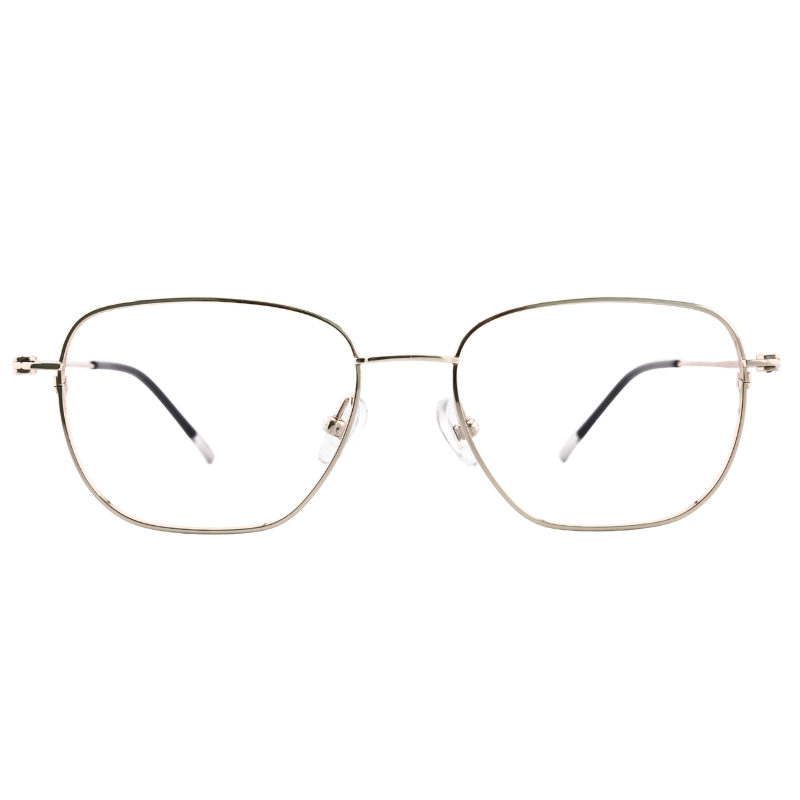
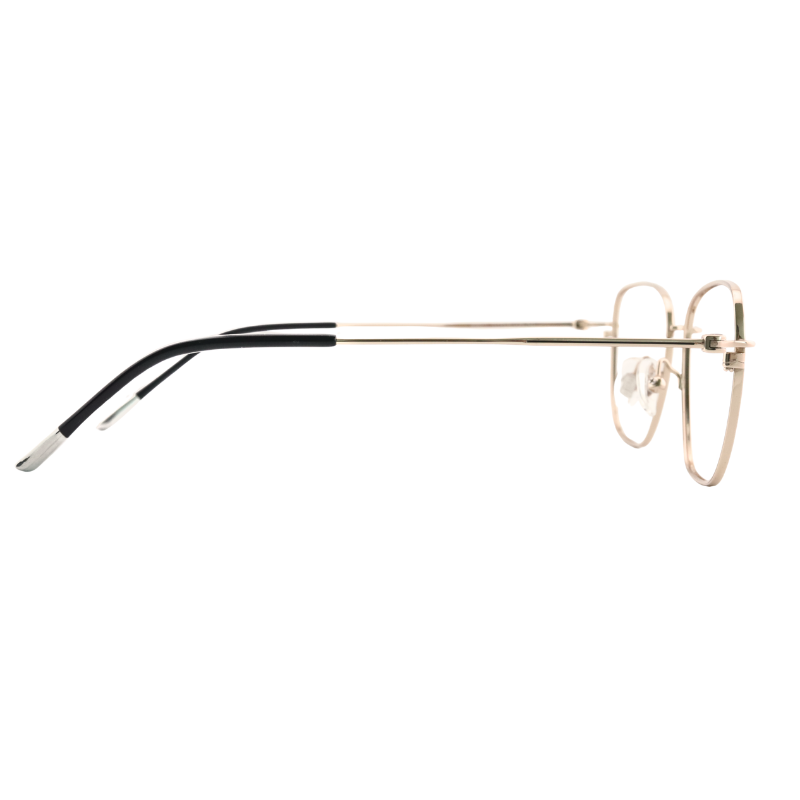
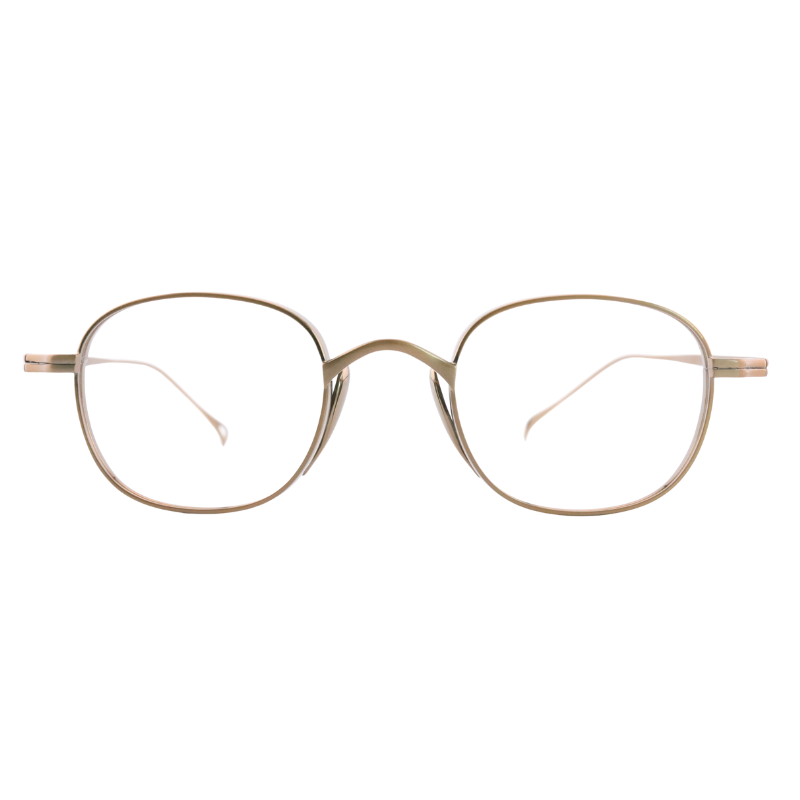
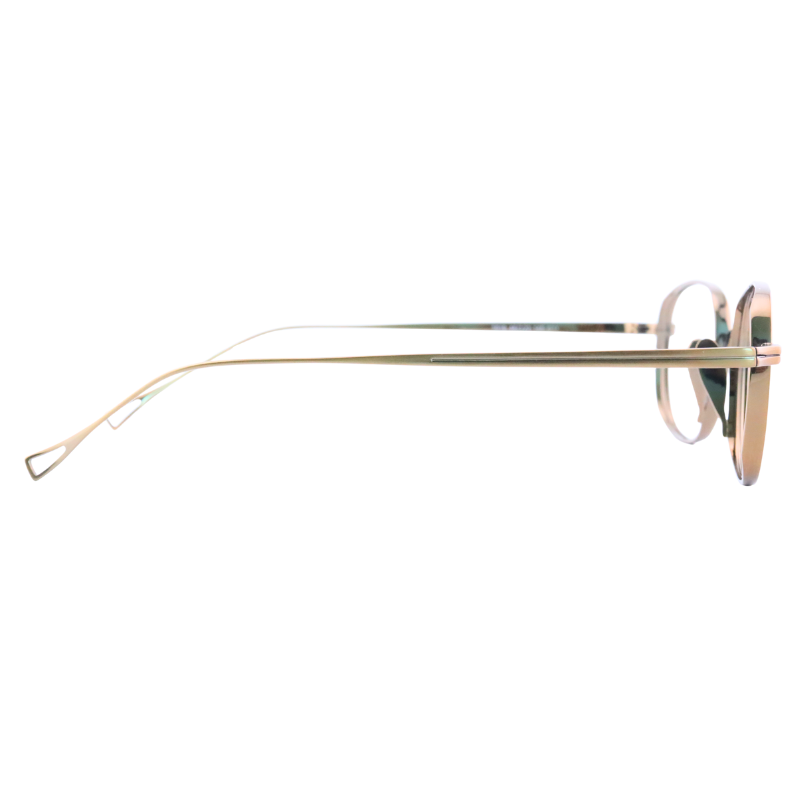
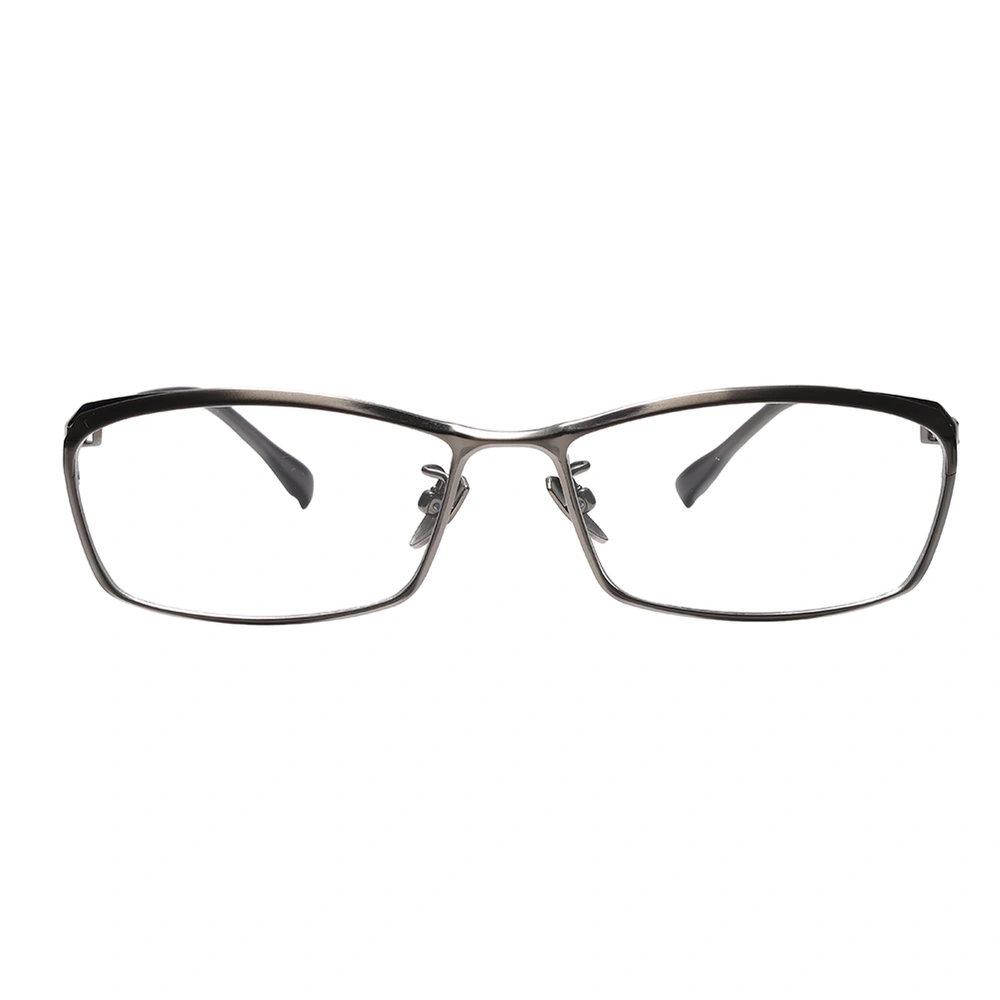
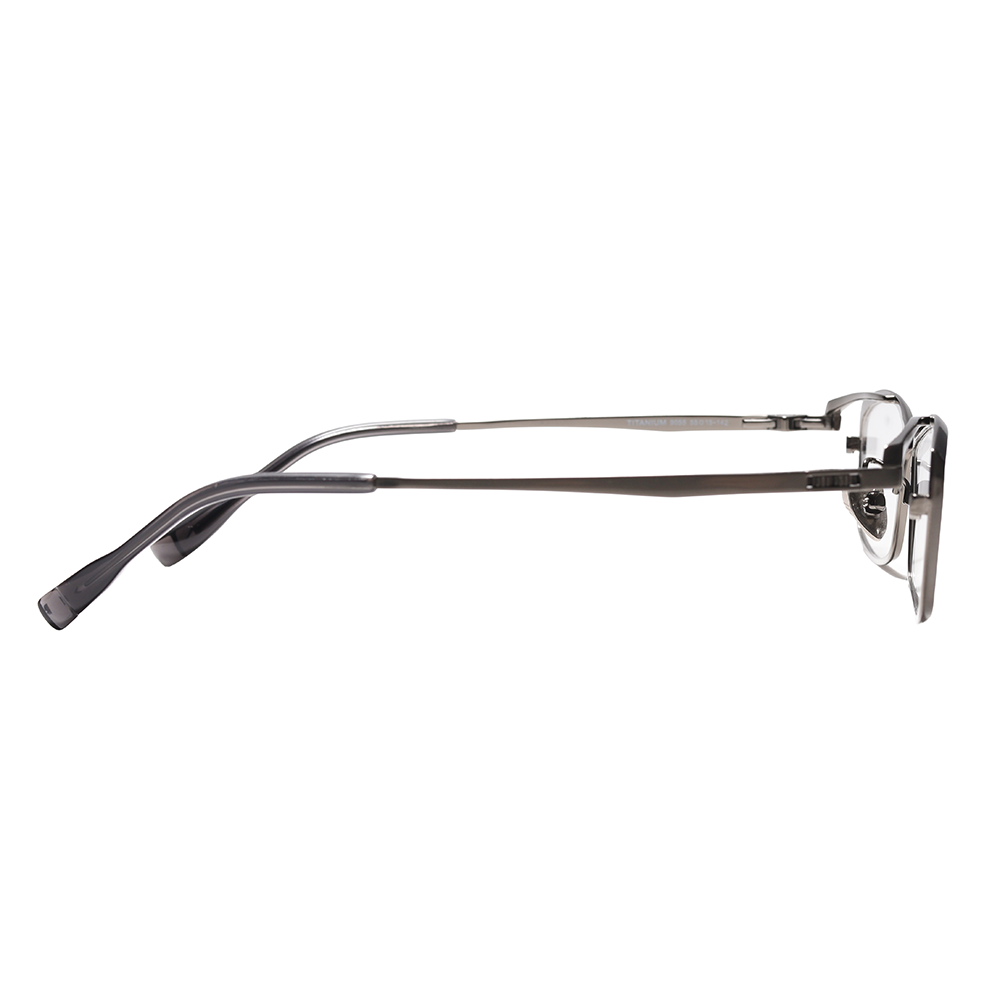
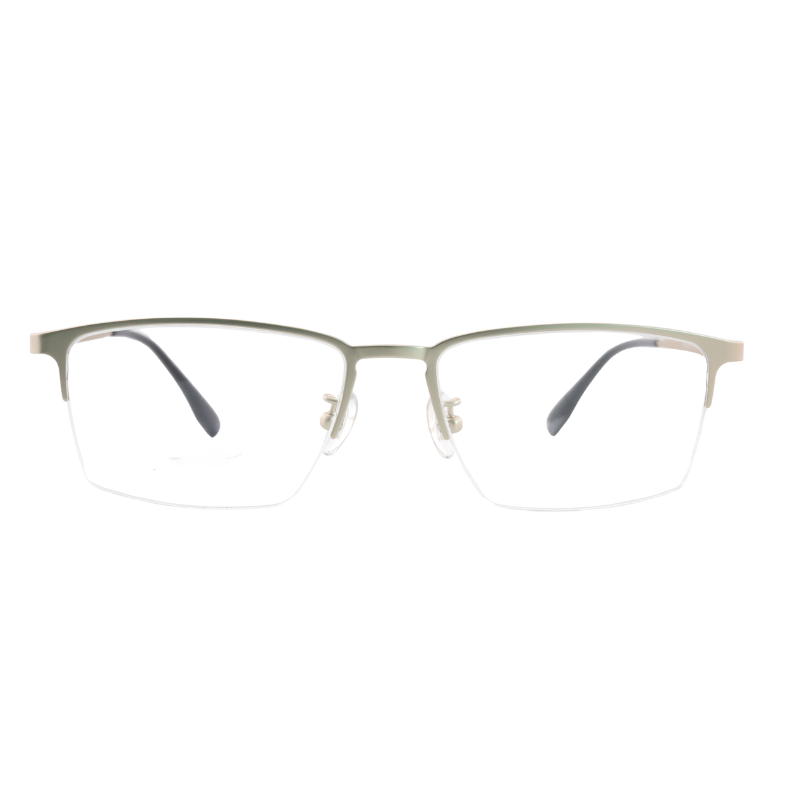
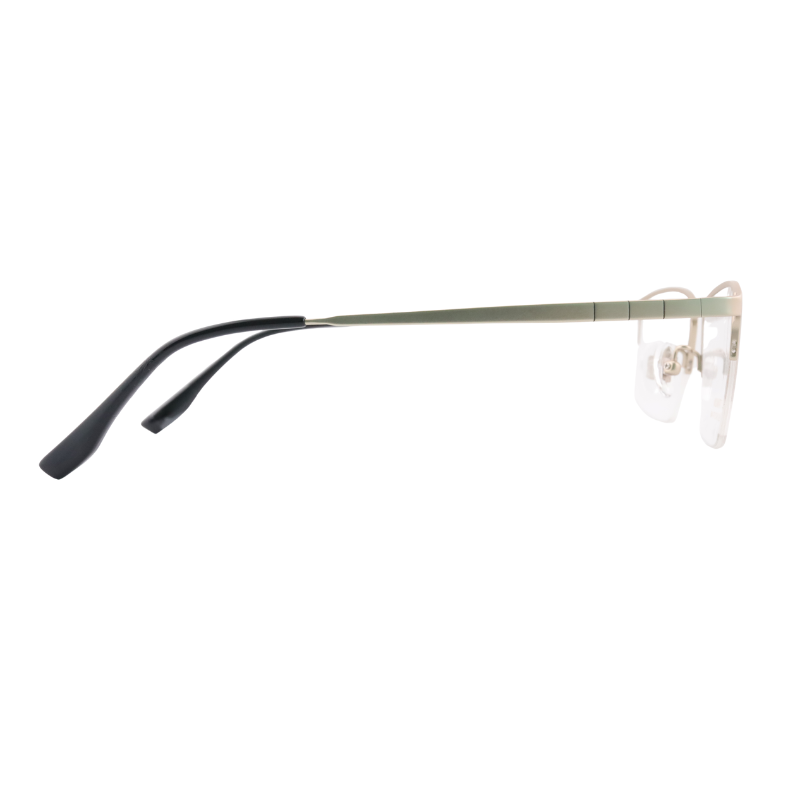
- Frame material: Grade-A titanium is the benchmark for professional eyewear, hypoallergenic, corrosion-resistant, and light enough to become unnoticeable after the first hour.
- Lens engineering: High-index lenses designed to optical precision give you true colour fidelity and clarity without the yellow tint associated with lower-grade coatings.
- Precision fit: The optical centre must align with your exact pupillary distance. Personalised fitting technology reduces the guesswork.
- Anti-reflective coating: AR coating eliminates secondary reflections from screens and ambient light, cutting a significant source of residual glare.
- UV400 protection: For professionals moving between indoor and outdoor environments, UV400 coverage handles both screen exposure and sun exposure in a single pair.
How OpteLux Approaches Blue Light
OpteLux glasses with the optional blue-light filter are built for professionals who depend on their vision from the first meeting to the last email. Most OpteLux eyeglass frames are 100% Grade-A titanium, the material used in aerospace and medical devices, which makes them hypoallergenic, lightweight and flexible under the stresses of daily professional life.
Lenses are designed in Japan and France using high-index optical engineering, with Standard, Business and Premium coating options and an optional blue-light filter that filters part of the blue light from screens. Prices for titanium frames are on each product page.
The VisionCraft Center at optelux.com measures your face and PD (the results are estimates) so the optical centre of your lenses can be aligned to your pupillary distance, an important part of a comfortable fit over a full working day.
Getting the Most From Blue Light Glasses at Work
- Wear them from the start of your working day, not only when symptoms appear.
- Apply the 20-20-20 rule: every 20 minutes, focus on something 20 feet away for 20 seconds.
- Match screen brightness to your ambient environment, blue light filtering is more effective when you are not fighting excessive screen backlighting.
- Consider photochromic lenses if you move between indoor and outdoor settings. They adapt automatically, maintaining protection in all conditions without carrying a second pair.
The Bottom Line
Blue light glasses for work are most comfortable as part of a complete optical solution: precision-engineered lenses, a lightweight well-fitted frame, and personalised optical alignment. The difference is in the quality of execution.
Explore OpteLux frames with the optional blue-light filter at optelux.com and use the VisionCraft Center for a personalised fit recommendation. You get 25% off your first order.
Related reading
Questions and answers
What is the difference between blue light lenses and regular lenses?
A blue light lens has a filter that filters part of the blue light from screens. Otherwise it corrects your vision in the same way as a regular lens of the same prescription.
Why do cheap blue light glasses often disappoint?
Budget lenses can add a yellow cast, and a heavy or badly aligned frame puts the optical centre in the wrong place. Those problems have nothing to do with the filter.
Can I add a blue light filter to prescription glasses?
Yes. At OpteLux the blue-light filter is an extra on any lens, at +$60 at the time of writing.
What else helps during long screen days?
The article suggests the 20-20-20 habit: every 20 minutes, look at something 20 feet away for 20 seconds. Matching screen brightness to the room also helps.
General guidance, not a replacement for an eye examination by a qualified specialist. About the author.