The OpteLux Design Philosophy: Eyewear as Equipment
By Dr. Qaria, , updated
OpteLux was founded on a straightforward observation: glasses are the piece of equipment a professional wears longest each day, and almost nobody chooses them that way. The design approach that follows is to treat eyewear as equipment, specify it, publish the numbers, and let the specification carry the argument.
Key takeaways
- The brand exists to solve a wear problem, not a style problem: weight, skin contact, fit and durability across long days.
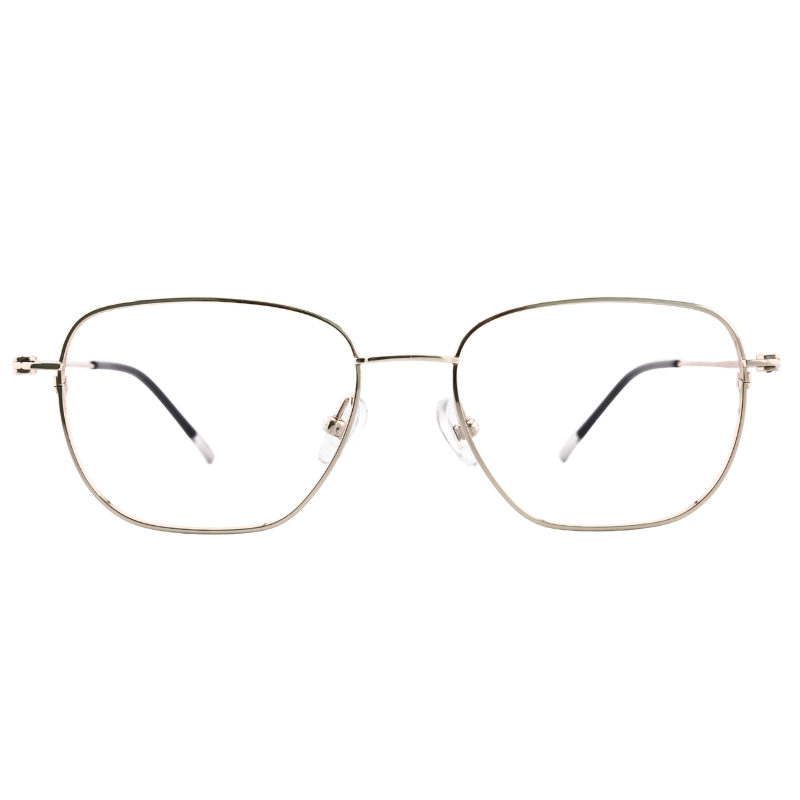
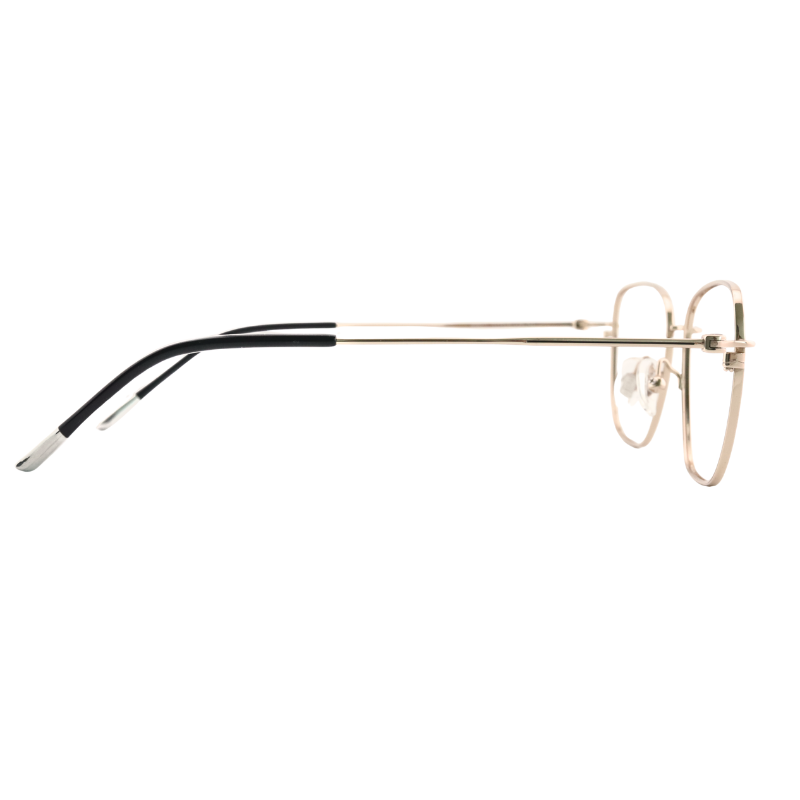
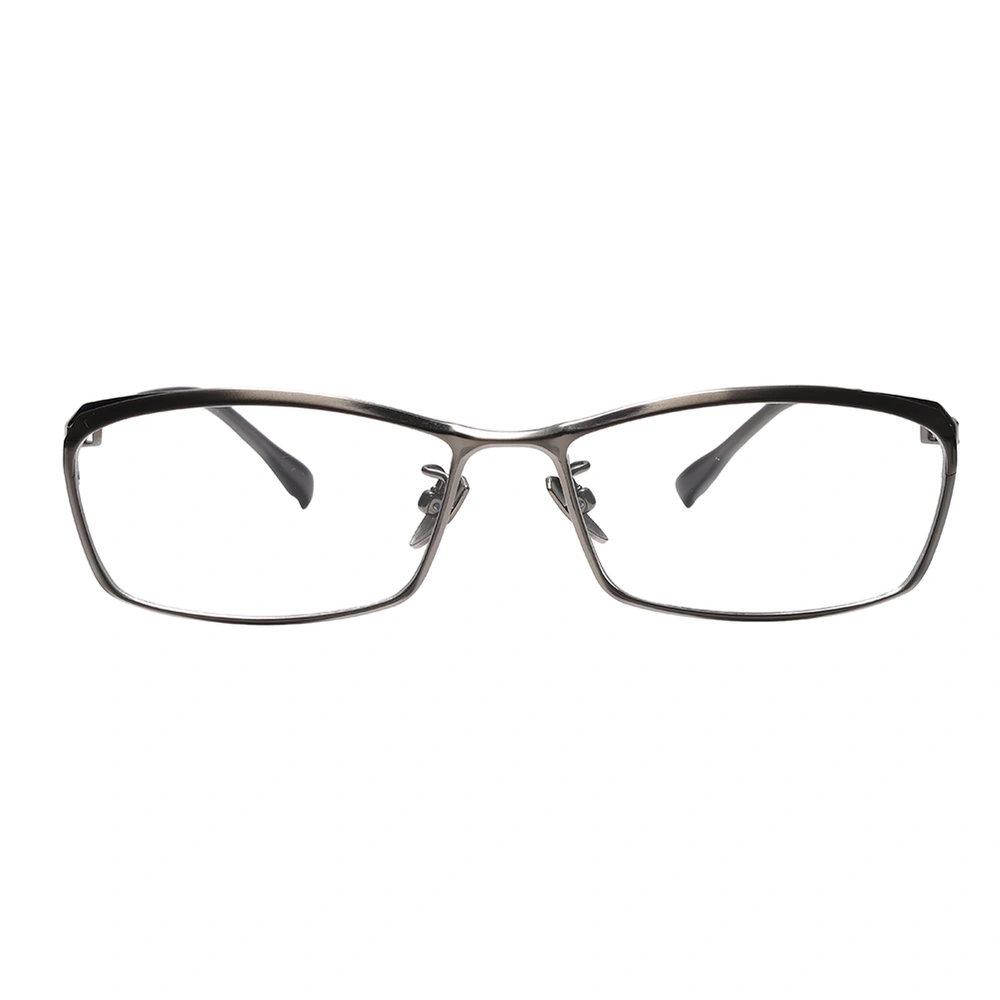
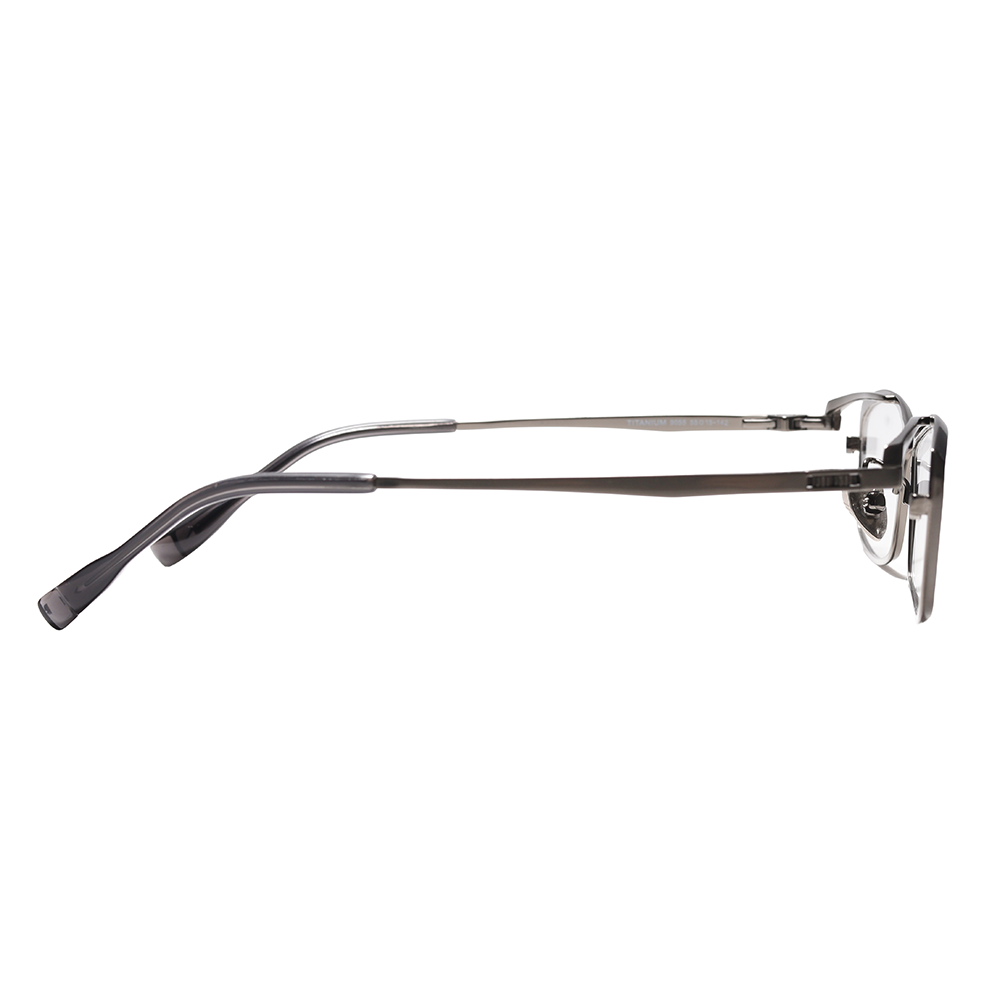
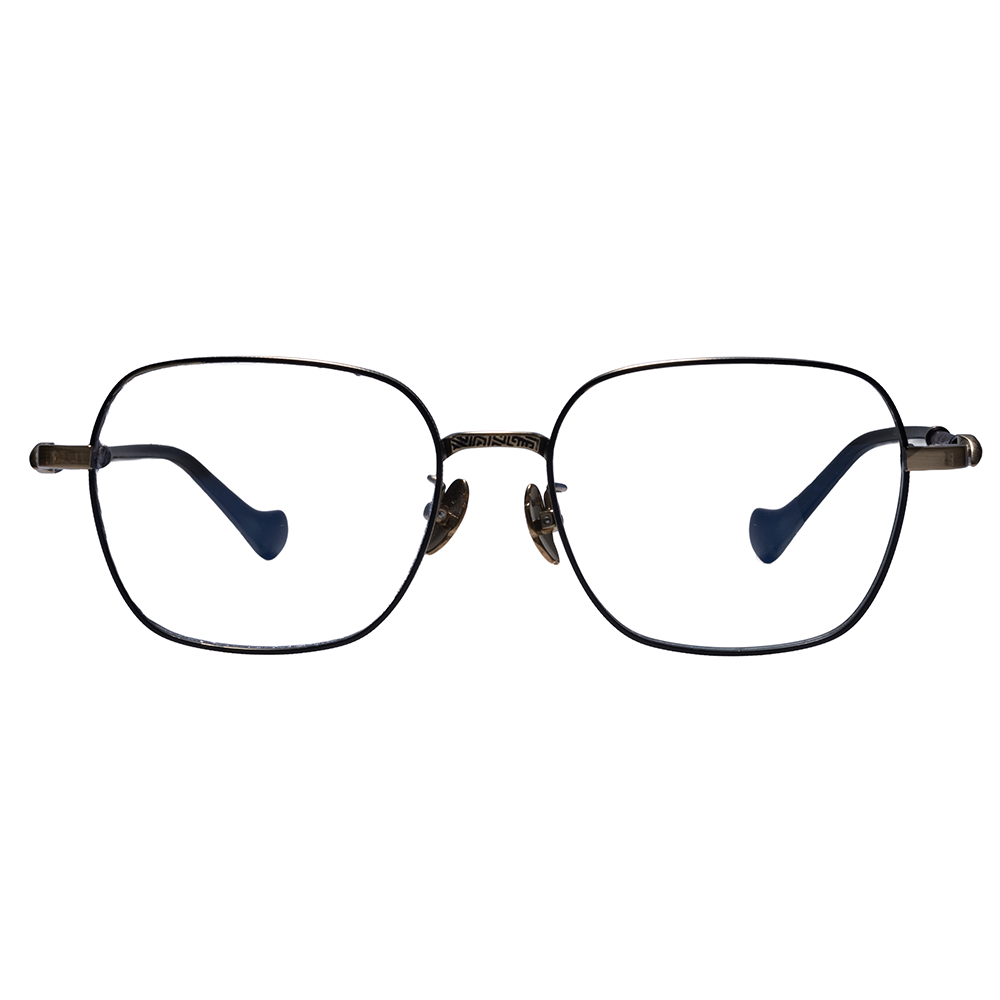
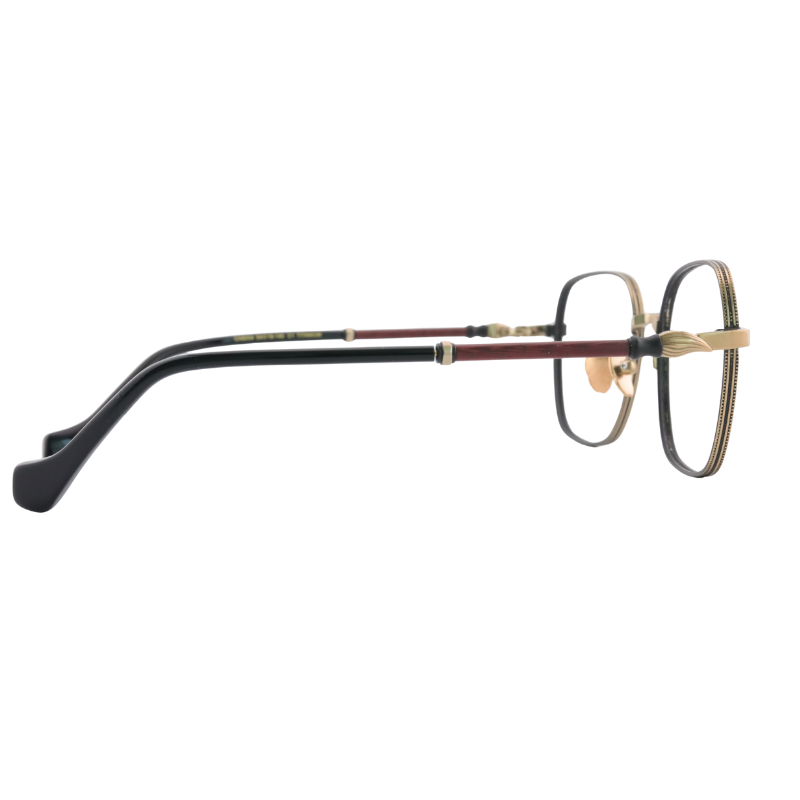
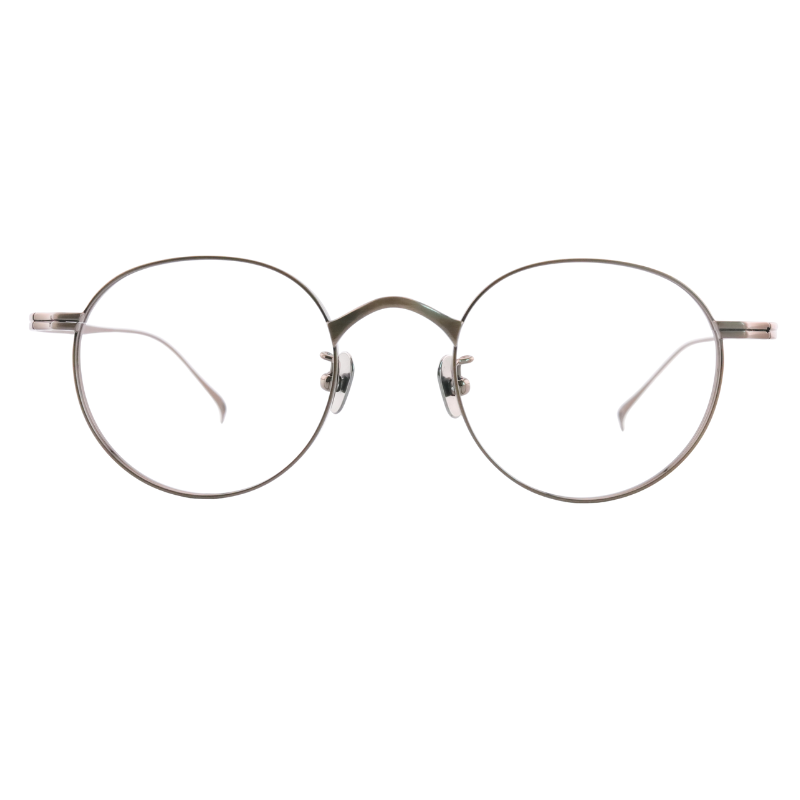
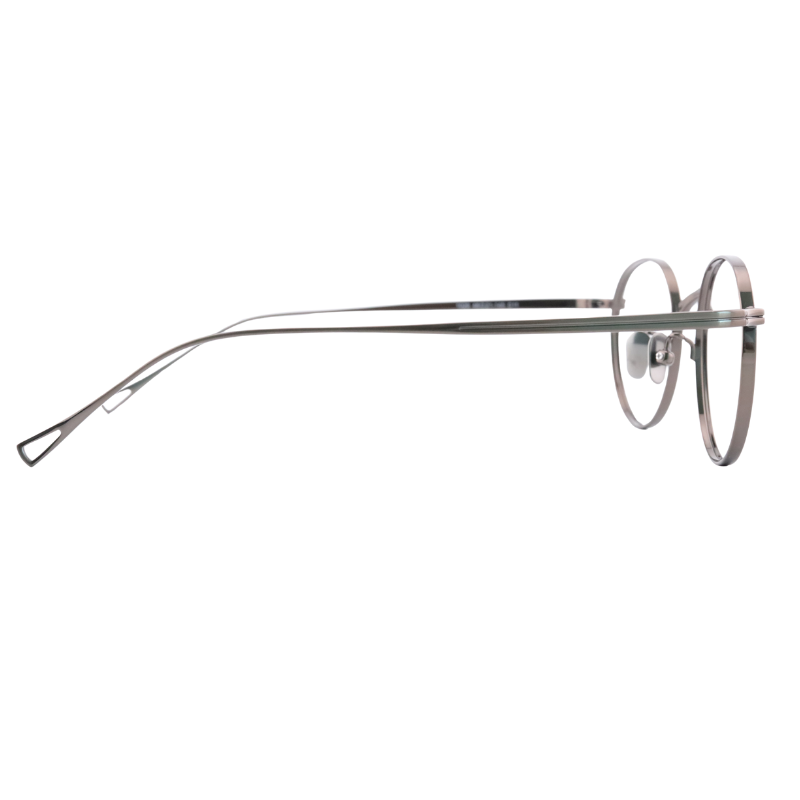
- Most eyeglass frames are 100% Grade-A titanium, commercially pure, no alloy additives, no nickel.
- Lenses are designed in Japan and France, manufactured in Asia and France.
- Frame dimensions are published in millimetres on every product page, which most of the category still does not do.
- Where the brand is weaker, no body of published reviews yet, it says so rather than implying otherwise.
Where the brand started
OpteLux was founded by professionals who were frustrated by their own eyewear during long working days. The specific frustrations were unglamorous and familiar: frames heavy enough to notice by mid-afternoon, metals that left the bridge of the nose red and irritated, hinges that loosened within a year, and lenses that were technically correct but never quite comfortable.
The realisation behind the brand was that these are equipment failures, and equipment failures are solvable. A professional will research a chair, a laptop and a pair of headphones carefully, then choose the object worn for fourteen hours a day based on how it looks in a mirror for thirty seconds. That mismatch is the gap the brand was built to close.
The four principles
Lightweight performance. Weight is not a specification-sheet detail when a frame is worn from early morning to late evening; it is the difference between eyewear you forget and eyewear you keep adjusting. Titanium’s strength-to-weight ratio is what allows a frame to be thin without becoming fragile, and thinness is where most of the perceived lightness actually comes from.
Precision fit. Fit is the variable that decides comfort, and it is the one the industry handles worst, usually with a face-shape quiz and a mirror. The response is measurement: free facial and pupillary-distance measurement before purchase, and published frame dimensions so the numbers can be compared against a pair that already fits.
Advanced optics. Lenses are designed in Japan and France and manufactured in Asia and France, using high-index optics, with the coating options (Standard, Business and Premium) listed plainly at checkout. Origin is stated because it is a specification, not a slogan.
Professional design. Frames are drawn for boardrooms, airports and long flights rather than for a lookbook. Restraint is the point: the aim is a frame that reads as considered in every room, not one that dominates any of them.
Why titanium, specifically
The material choice follows from the wear problem rather than from prestige. Commercially pure titanium offers four properties that matter across long days:
| Property | Why it matters over a working day |
|---|---|
| No nickel content | Commercially pure titanium is biologically inert. Contact irritation at the bridge and behind the ears disappears. |
| Corrosion resistance | Does not degrade in contact with sweat or skin oils, so finish and structure survive years of daily wear and humid climates. |
| Strength-to-weight ratio | Allows thin profiles without fragility, which is where the perceived lightness comes from. |
| Elastic recovery | Temples flex and return rather than taking a permanent set across hundreds of removal cycles a year. |
As a material category, titanium eyewear frames commonly fall around 8 to 15 grams against roughly 20 to 35 grams for comparable acetate. Those are general ranges for the materials rather than a claim about any particular model, the figure that matters is the one published for the frame you are actually buying.
Publishing the numbers
The clearest expression of the design philosophy is not a material choice but an editorial one: publishing specifications that most of the category leaves vague.
“Premium titanium” appears on hundreds of eyewear listings and tells a buyer almost nothing. It can mean commercially pure titanium throughout, a titanium alloy, or titanium temples bonded to a base-metal front, three materially different products at similar prices. The same vagueness runs through lens origin, which coatings are standard rather than upsold, and what happens when a frame needs adjusting eighteen months later.
The position taken here is that a brand able to answer those questions with numbers and named terms is easier to trust than one that answers with adjectives. Frame dimensions in millimetres on every product page, stated lens design and manufacturing origin, coating options listed plainly, and a 30-day return window from delivery.
The VisionCraft Center
Fit is the hardest part of buying eyewear online and the reason most people still hesitate. The VisionCraft Center exists to remove the guesswork rather than to decorate the purchase.
The face and PD measurement tool produces pupillary distance and facial dimensions, the numbers that decide where the optical centre of each lens sits, and the measurement most often missing from a prescription. The AI and VR suggestion tool shows frames on your own face across different environments rather than on a stock model. Face and PD results are estimates, so check them against a pair that already fits.
The division of labour is deliberate. Visualisation answers whether a frame suits you; measurement answers whether it fits. Presenting either as a complete solution would overstate what the technology does.
What the brand does not claim
Two honest notes, because a design philosophy that only lists strengths is marketing rather than philosophy.
Glasses are not a treatment. Long screen days are associated with a well-documented cluster of eye-strain symptoms, and prevalence in office populations is high. Eyewear does not treat, prevent or cure that. What it can influence is comfort, weight, bridge contact, and whether an anti-reflective coating is doing its job. Anyone framing eyewear as a medical outcome is overselling. If symptoms persist, that is a conversation for an eye-care professional.
There is no body of published customer reviews yet. The brand is young. If third-party social proof is decisive for you, that is a fair reason to buy on the strength of the return policy and the published specification rather than on reputation, and to hold the brand to both.
Frequently asked questions
Where are OpteLux frames made?
Frames are Grade-A titanium. Lenses are designed in Japan and France and manufactured in Asia and France.
What does Grade-A titanium mean?
Commercially pure titanium with no alloy additives and no nickel content, as distinct from titanium alloys or titanium-plated base metal.
Are coatings included or extra?
Lens coatings come in three options: Standard, Business and Premium. A blue-light filter and photochromic lenses are optional extras.
What is the return policy?
30 days from delivery, in like-new condition with the original case, cloth and packaging.
Can frames be customised?
Yes, silver and gold accents, gemstone finishes and engraving, alongside a custom frame builder.
What happens if the fit needs adjusting later?
Lifetime frame integrity support covers adjustment and repair.
The short version
Treat eyewear as equipment. Specify the material honestly, publish the dimensions, measure the face before selling the frame, and say plainly where the brand is weaker. That is the whole philosophy, and it is deliberately unglamorous.
Explore the OpteLux collection in Grade-A titanium; frame prices are on each product page. You get 25% off your first order.
Related reading
General guidance, not a replacement for an eye examination by a qualified specialist. About the author.